The format of an alternative dissertation needs to match both the purpose of the final product and research subject. I am drawn to the visual nonfiction medium (or ‘coffee table book’) for the ability to leverage visual hierarchy, typography, colour, and images to communicate ideas. This medium is far more accessible than the traditional APA formatted manuscript and is also not too far of a departure from it. Visual nonfiction books still allow for large sections of text where nuance can be fully articulated and references properly cited.
“I wrote a 222 page dissertation for my doctoral study. That’s cool but I knew that very few – perhaps nobody including myself – will ever read everything that I wrote. I took the challenge upon myself to translate my work into a design book. My premise was the following: If I format my dissertation in a book that I would want to place on my coffee table as a design book, then people (including myself) will be drawn towards it and read the work.”
Smit Patel, 2022
A ‘coffee table book’ is tactile and approachable, allowing it to have a physical presence in classrooms or teachers lounges, which is not what the traditional dissertation affords. A print-first medium, could then be easily hosted online as well further increasing its reach.
Compared to a traditional dissertation, there is an increased workload from the artistic direction, layout, and graphic development, though substantially less than other media such as videos or podcasts. I wonder if it would be allowed to work with a graphic or layout artist or if that might raise concerns around academic integrity – UVic describes academic dishonesty as “using an editor, whether paid or unpaid, unless the instructor grants explicit written permission,”1 so I suppose that an agreement must be reached with my supervisor and committee.
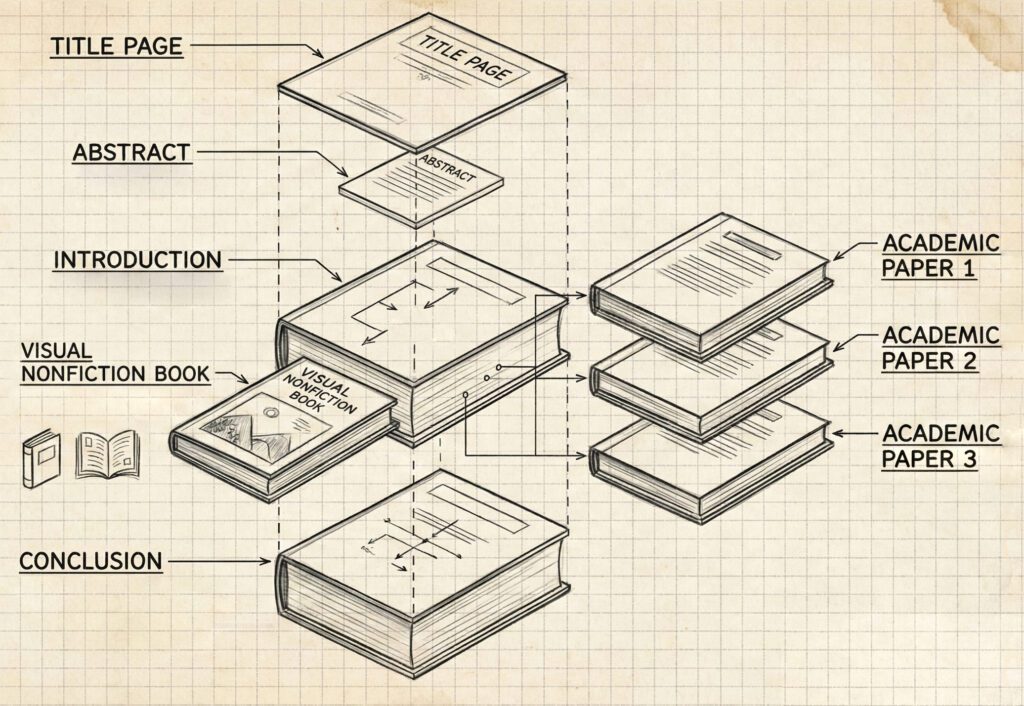
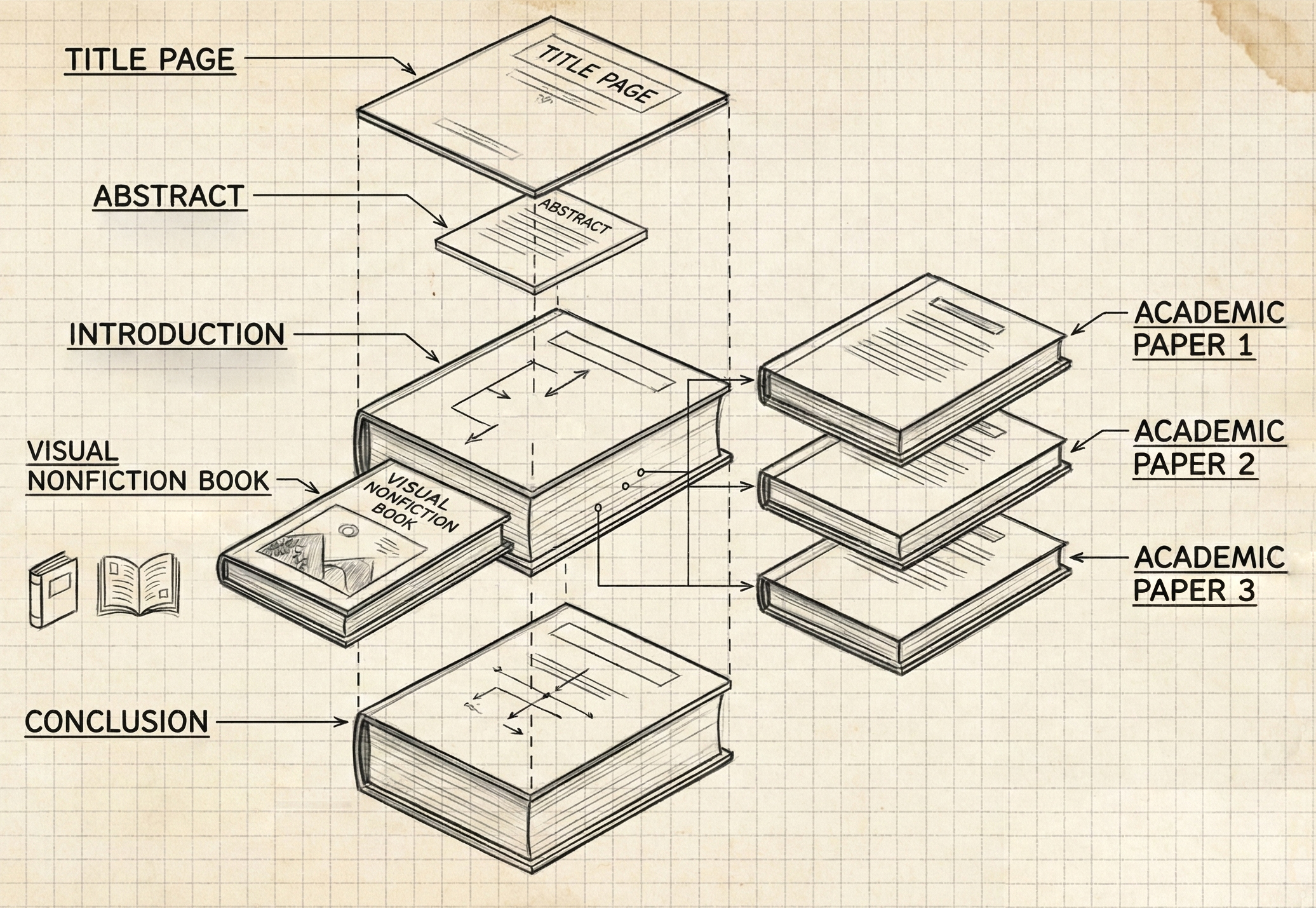
The visual nonfiction book will not be the only component of my dissertation. I still aim to incorporate three publishable academic papers. I view the visual nonfiction component as the connective narrative component between those papers and their surrounding research. The other necessary components are dictated by the UVic Faculty of Graduate Studies: “a website, a video or other types of media content on its own is not a thesis or dissertation; it must include a title page, an abstract, introduction, conclusion and other critical analysis.”2
Moving forward, I will need to develop a proposal in collaboration with my supervisor and obtain approval from my future committee, the Faculty of Graduate Studies, and UVic Libraries. I anticipate that the largest factors will be the rationale and assessment framework. Once these are developed and approved by my supervisor and committee, then approval by the Faculty of Graduate studies should be straight forward (including this form) and UVic Libraries, who ensure that the dissertation is archivable and accessible.
Precedent / Inspiration
There are a variety of visual nonfiction works to draw inspiration from, spanning a spectrum of quality, academic rigor, and intended audience. Their use of imagery also differs considerably, including schematics, diagrams, photographs, and visual metaphors, all of which contribute to communicating ideas and supporting meaning-making.
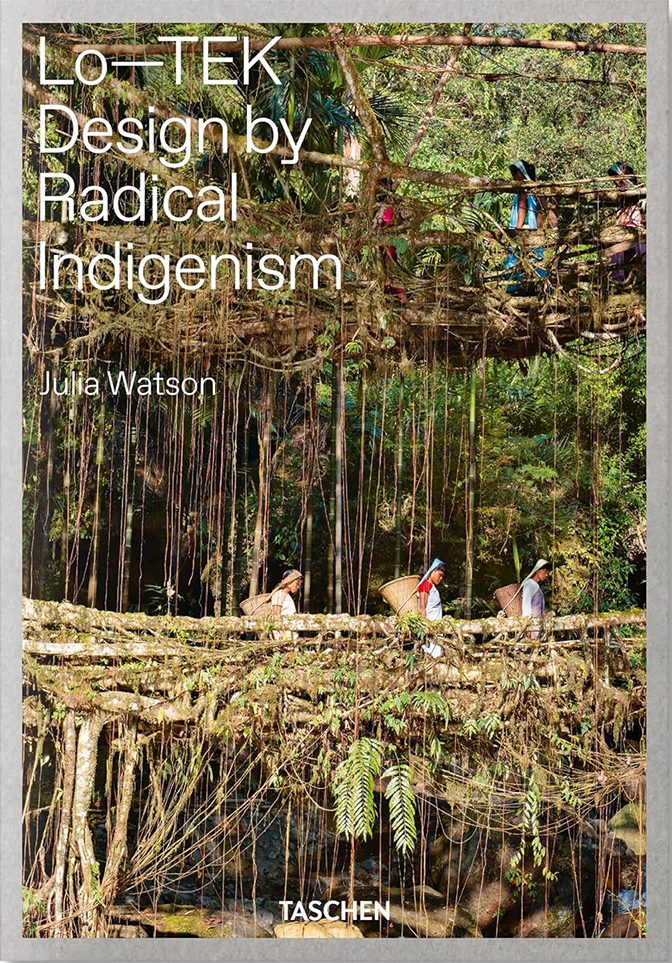
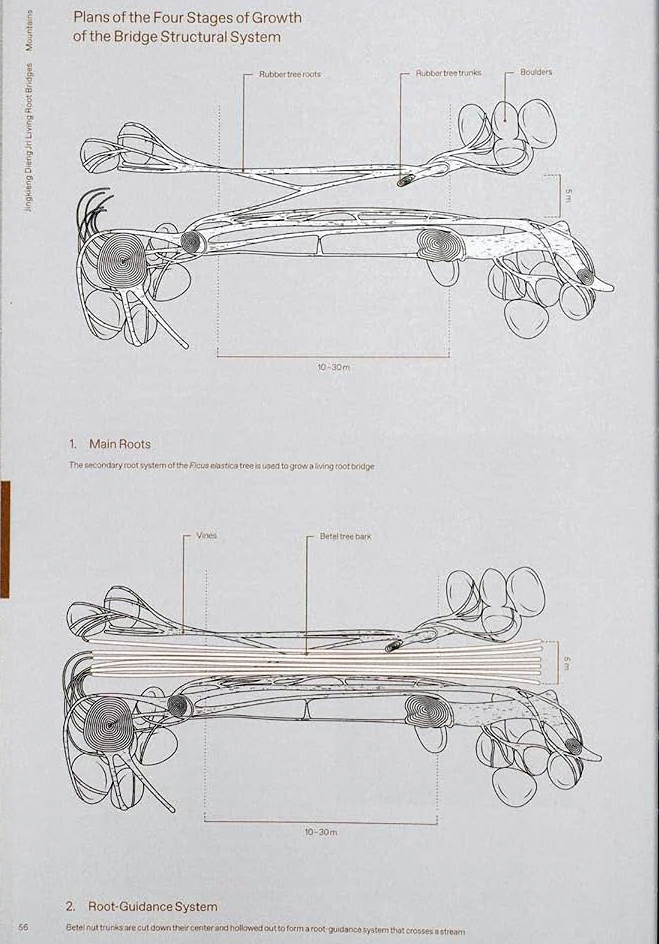
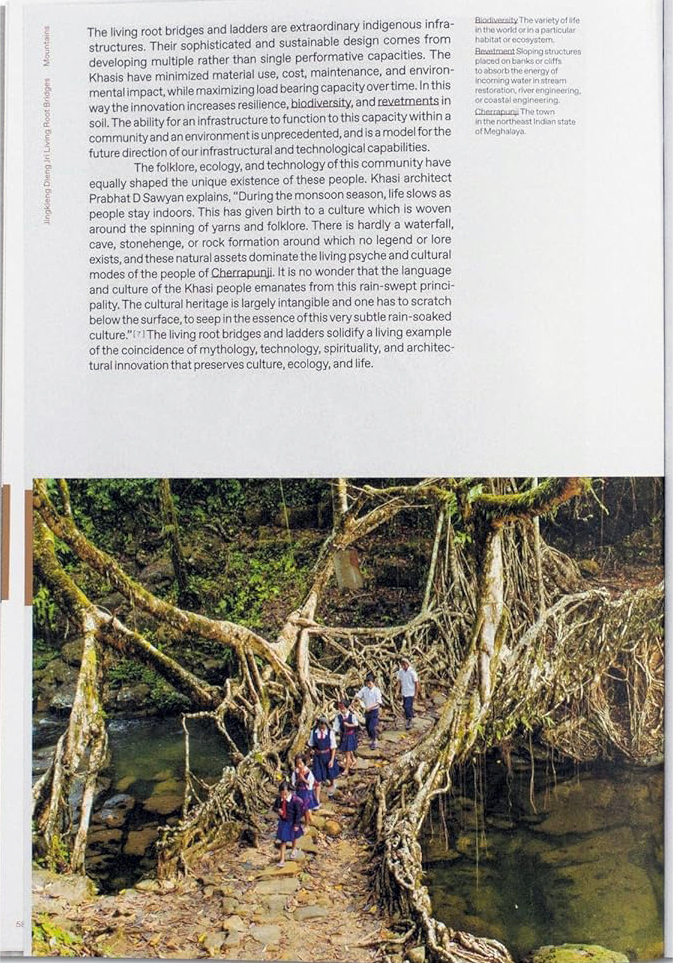
Julia Watson’s Lo—TEK: Design by Radical Indigenism (2019) explores millennia-old, nature-based technologies from Indigenous cultures. Utilizing architectural diagrams and cross-sections, Watson demonstrates how these sophisticated, “Local Traditional Ecological Knowledge” systems offer sustainable, resilient solutions for modern climate challenges.
Nick Sousanis’s Unflattening (2015) is a doctoral dissertation written entirely in comic book form, arguing for the integration of visual and verbal modes of thought. Using complex, metaphorical illustrations, Sousanis demonstrates how “unflattening”—viewing the world through multiple perspectives simultaneously—transcends the limitations of traditional, text-heavy academic discourse.
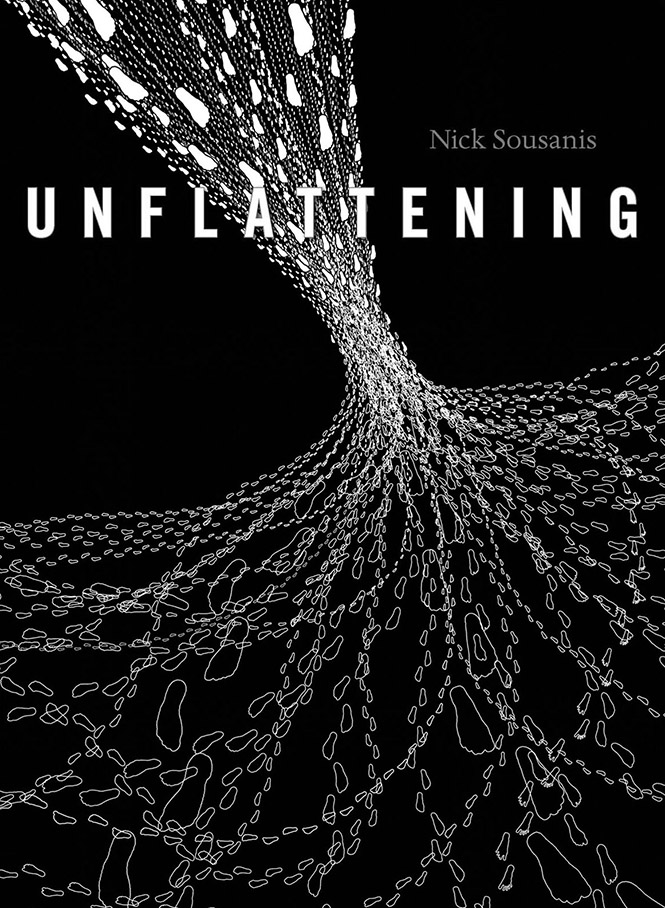
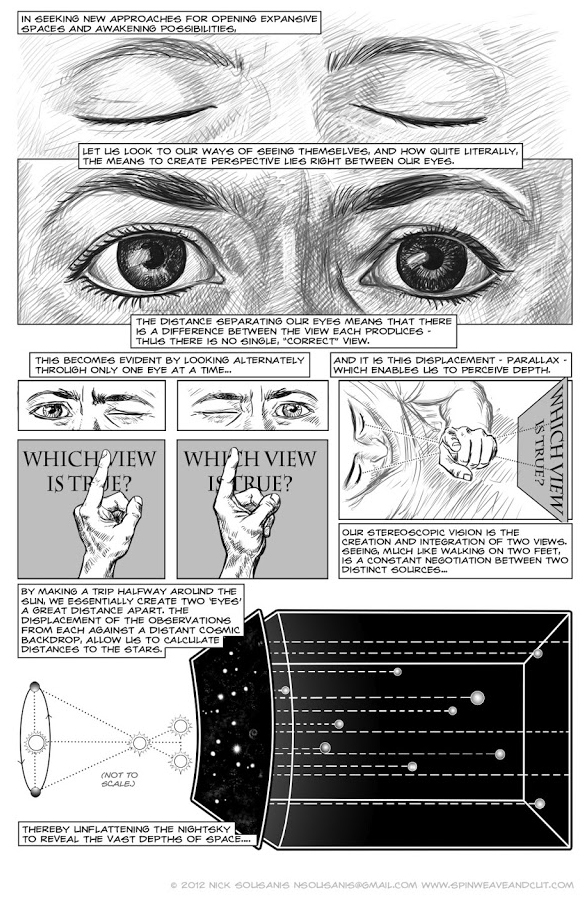
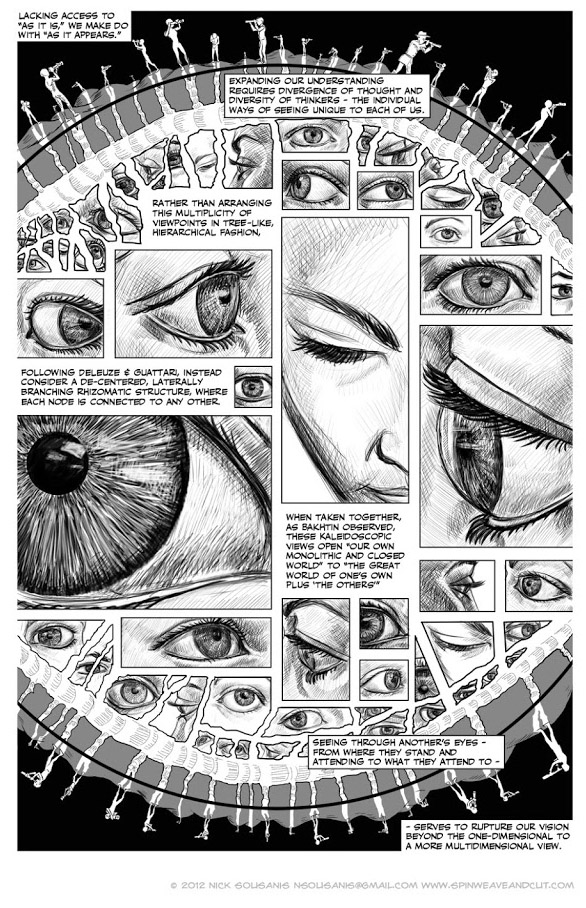
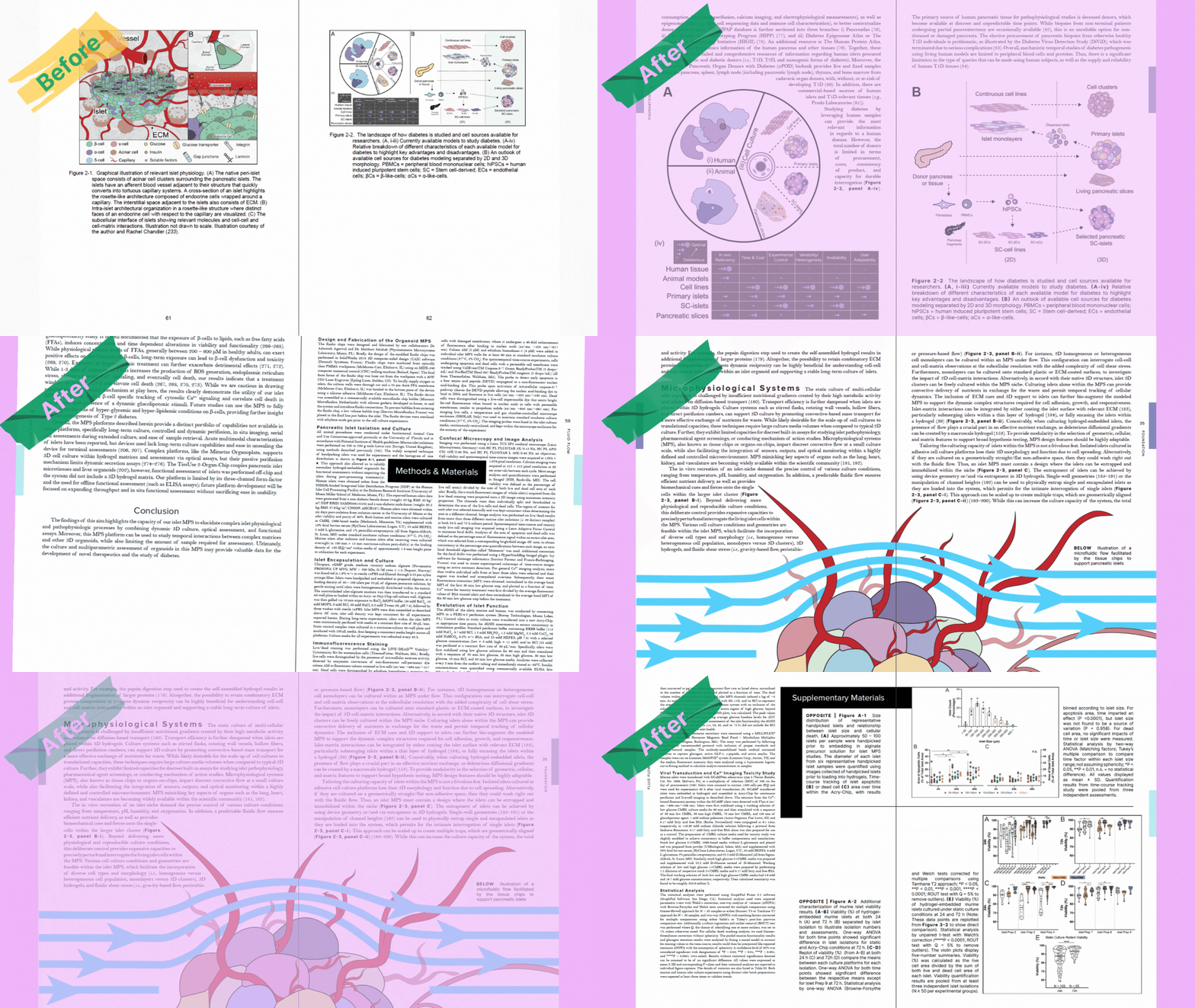
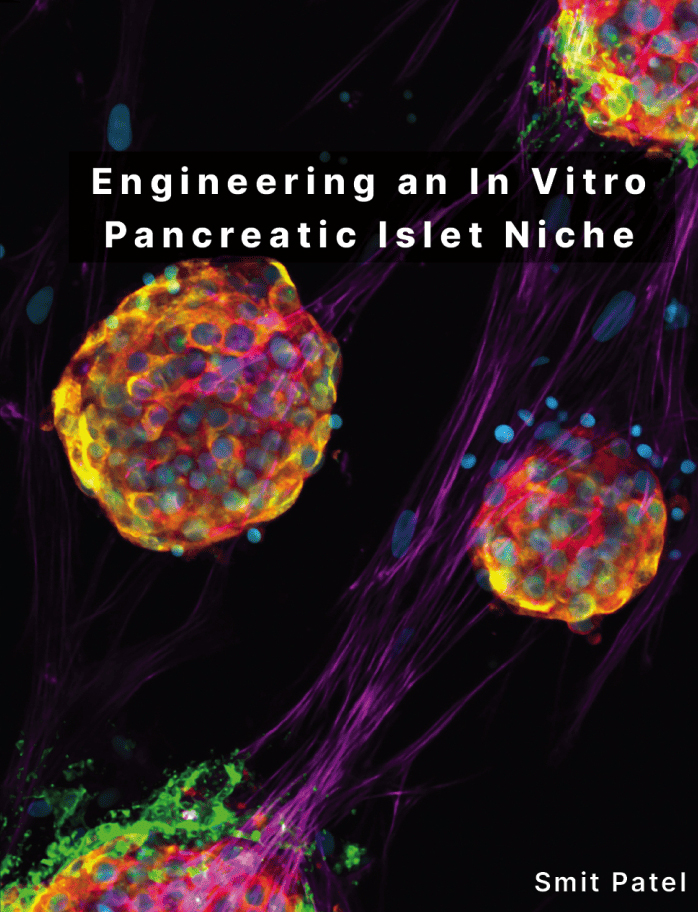
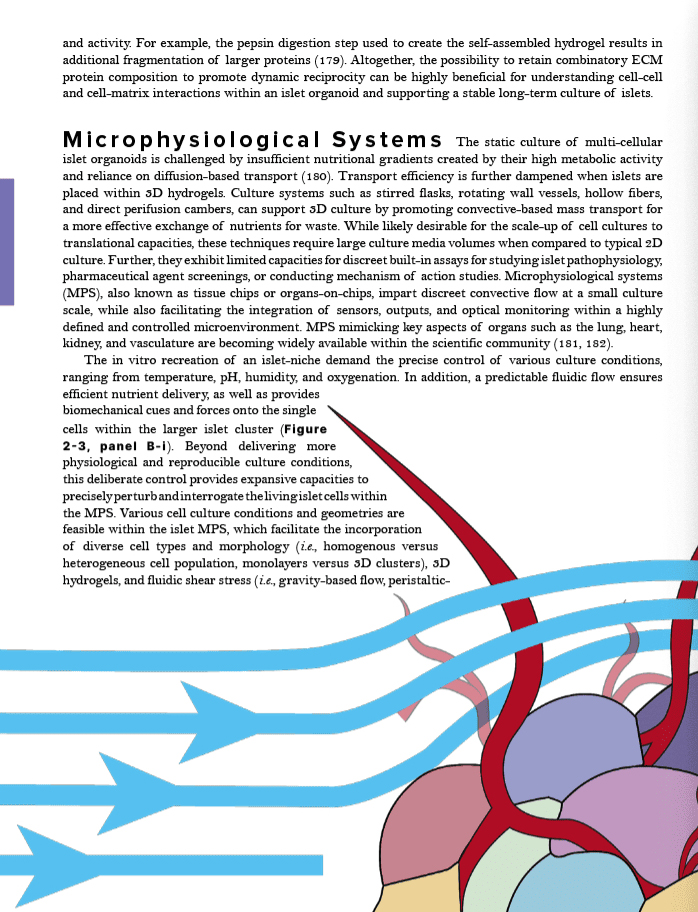
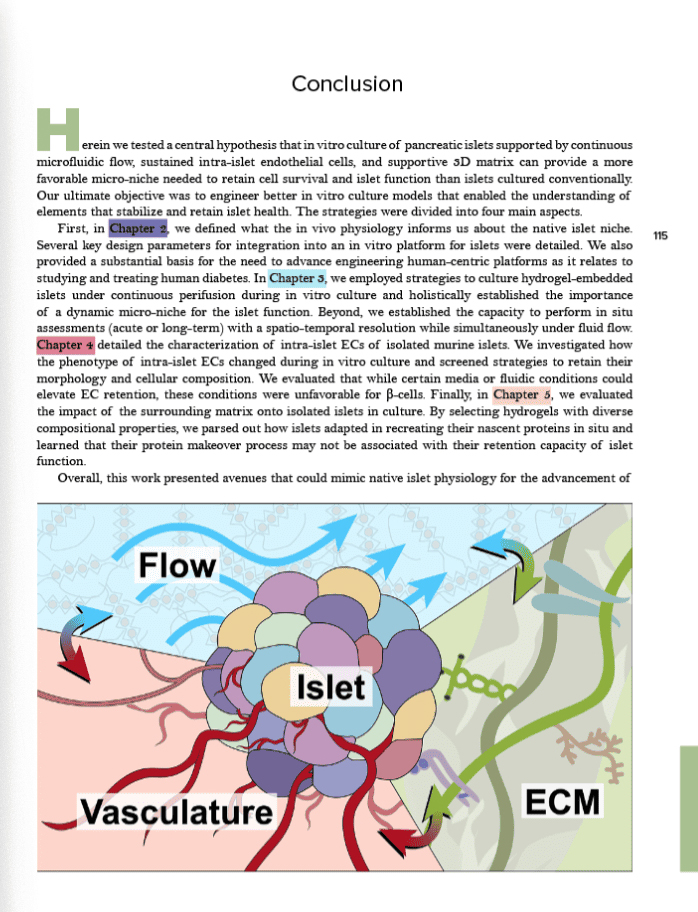
Smit Patel’s Engineering an in vitro pancreatic tumor-stroma model for drug screening (2024) is a dissertation-turned-visual-nonfiction book that utilizes 3D bioengineering to replicate the drug-resistant environment of pancreatic cancer.
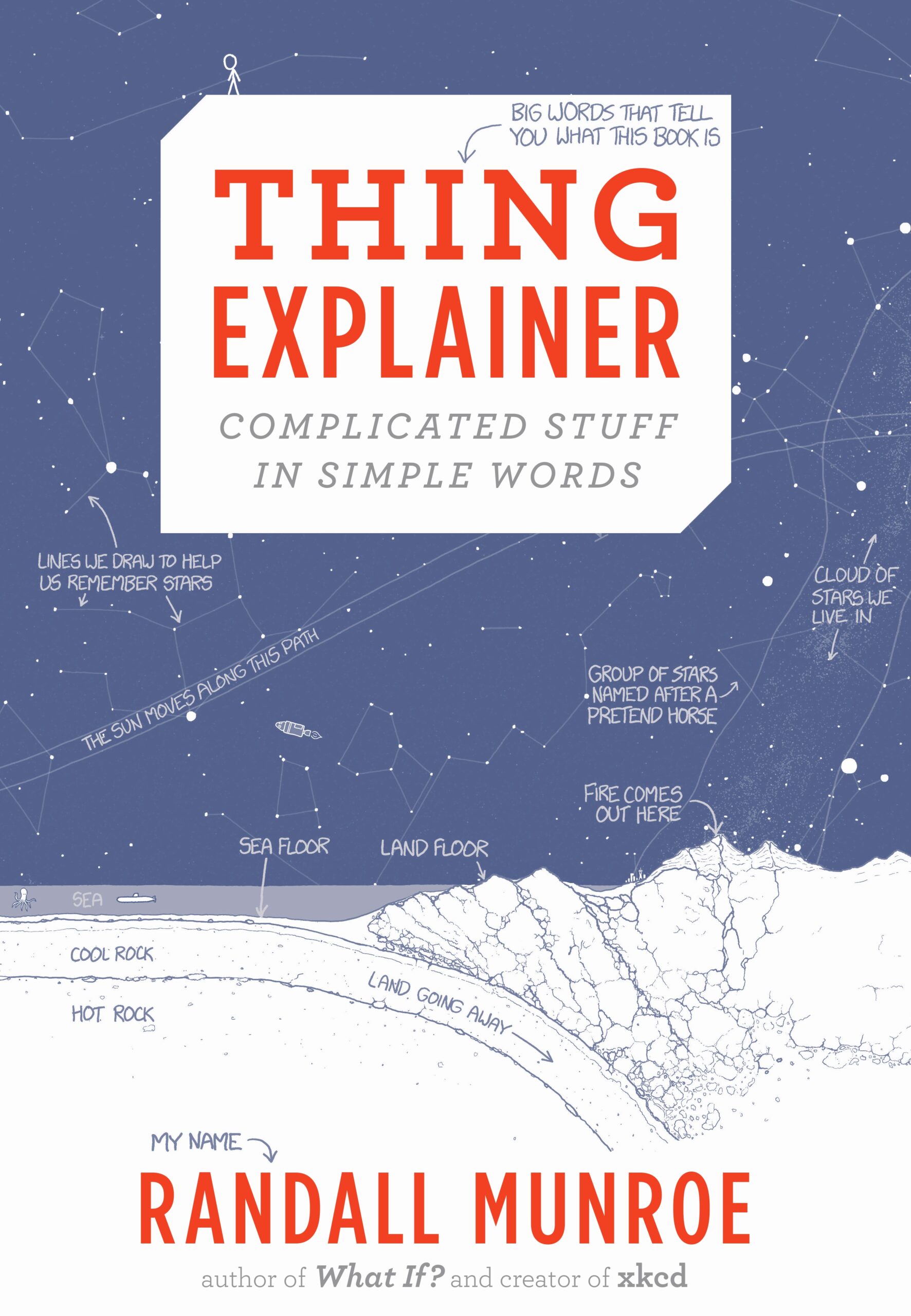
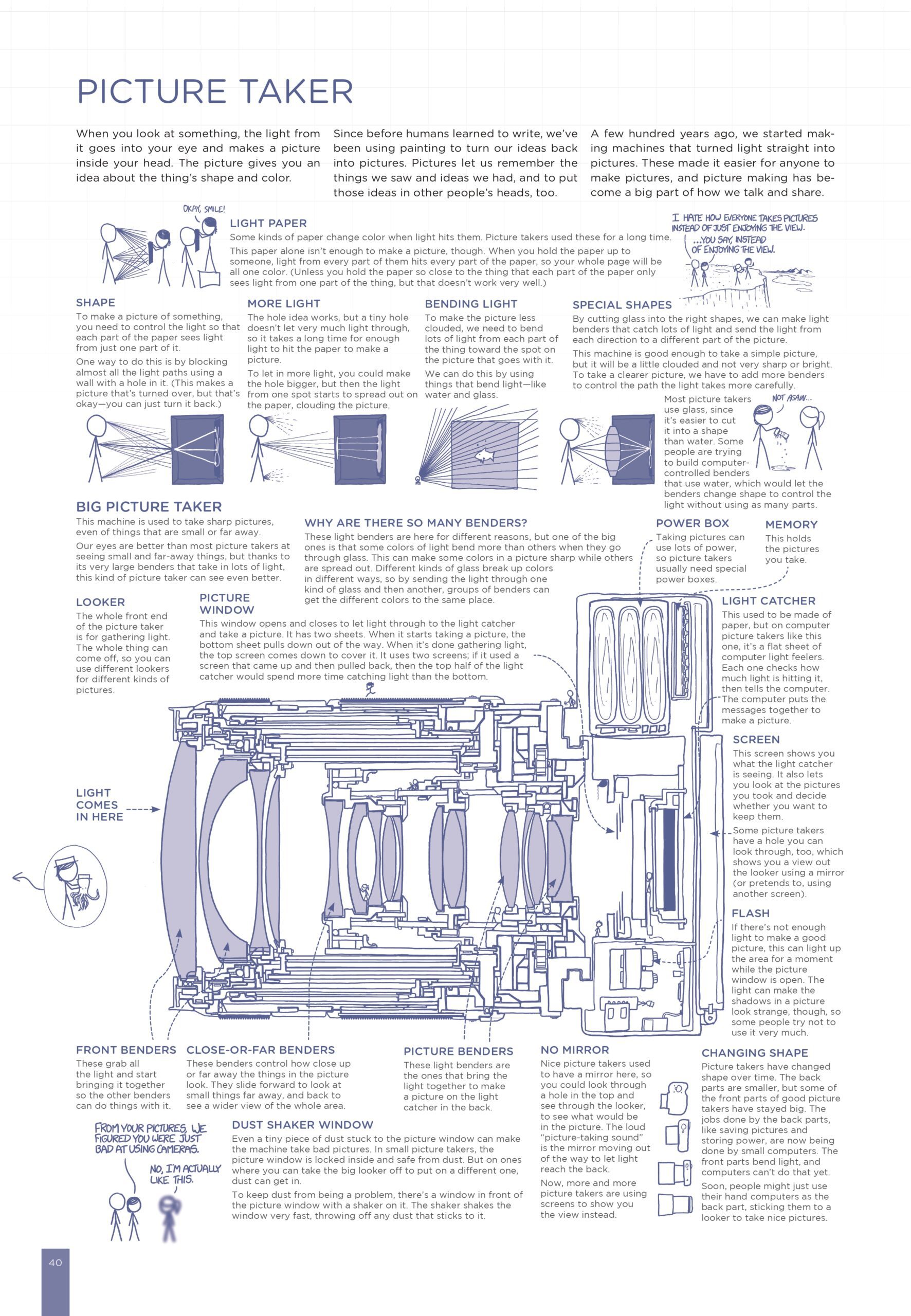
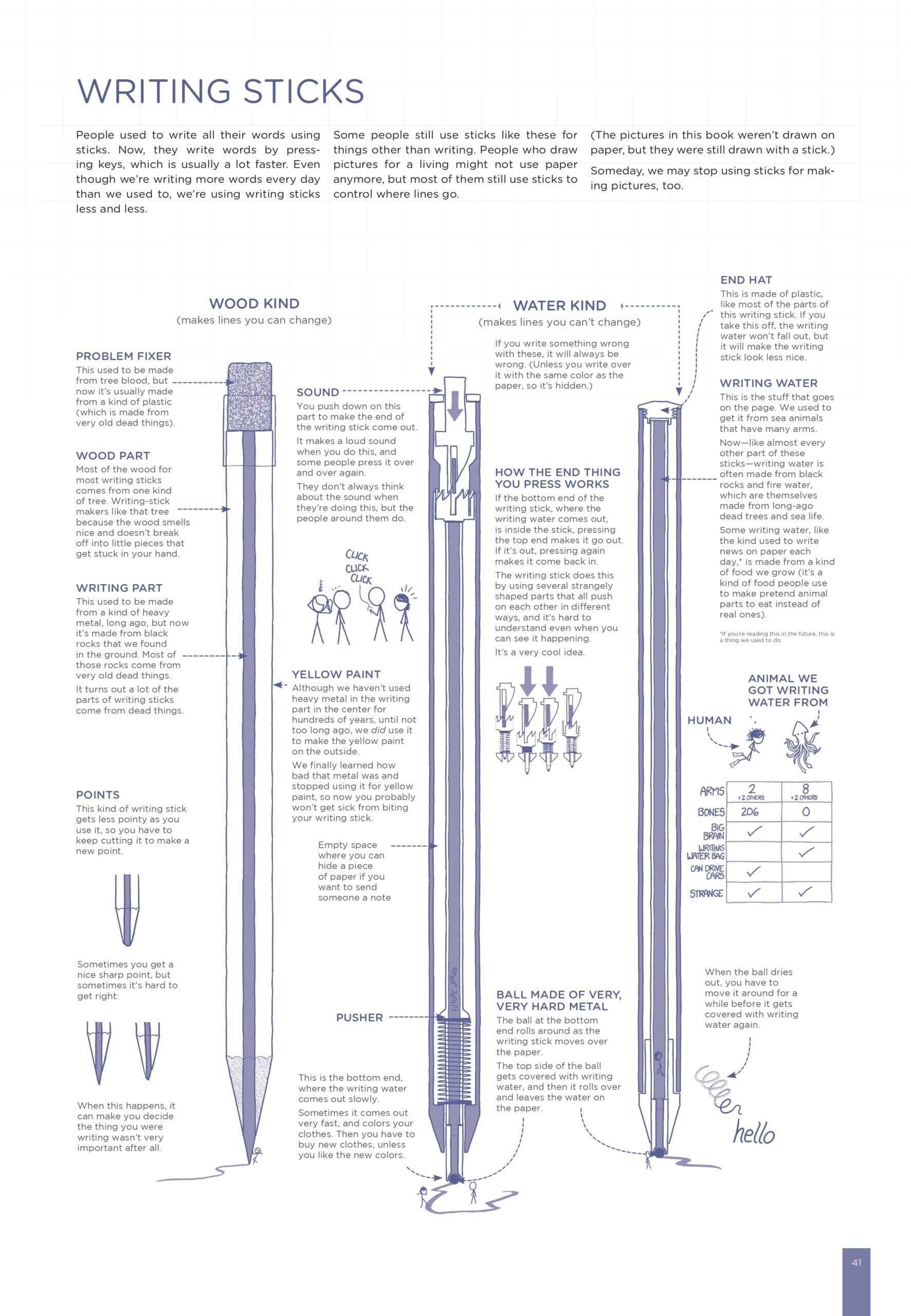
Randall Munroe’s Thing Explainer: Complicated Stuff in Simple Words (2015) utilizes a strictly limited vocabulary of the 1,000 most common English words to deconstruct complex objects and systems. By stripping away technical jargon, Munroe highlights the fundamental mechanics of everything from cells to spacecraft, pairing his unique style of prose with minimalist, blueprint-inspired illustrations.
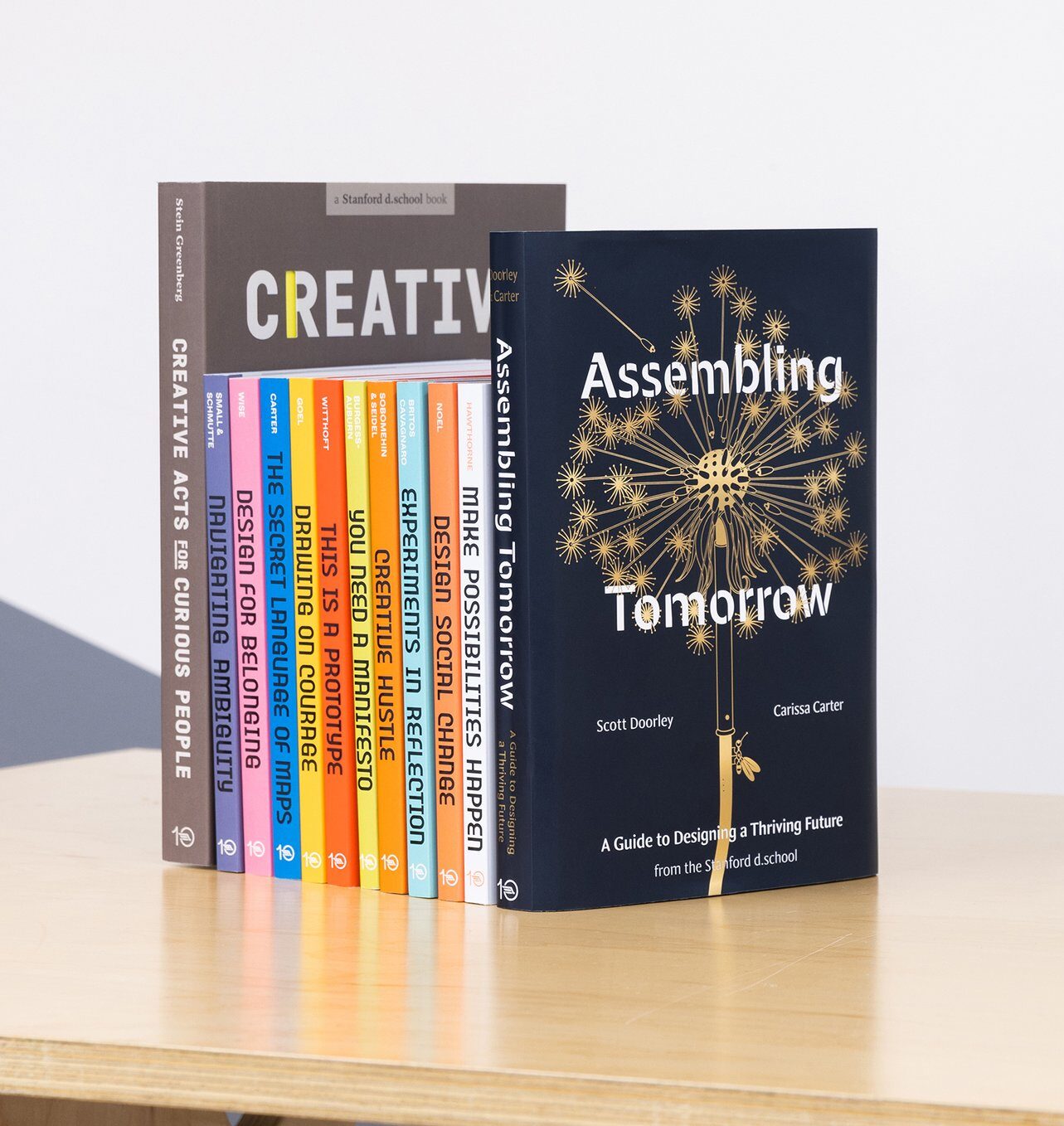
The Stanford d.school Book Collection (2021–2022) is a series of field manuals that distill design thinking into hands-on, actionable exercises. These guides provide the mindsets, methods, and activities needed to spark creativity and navigate complex problems across any professional or personal field.
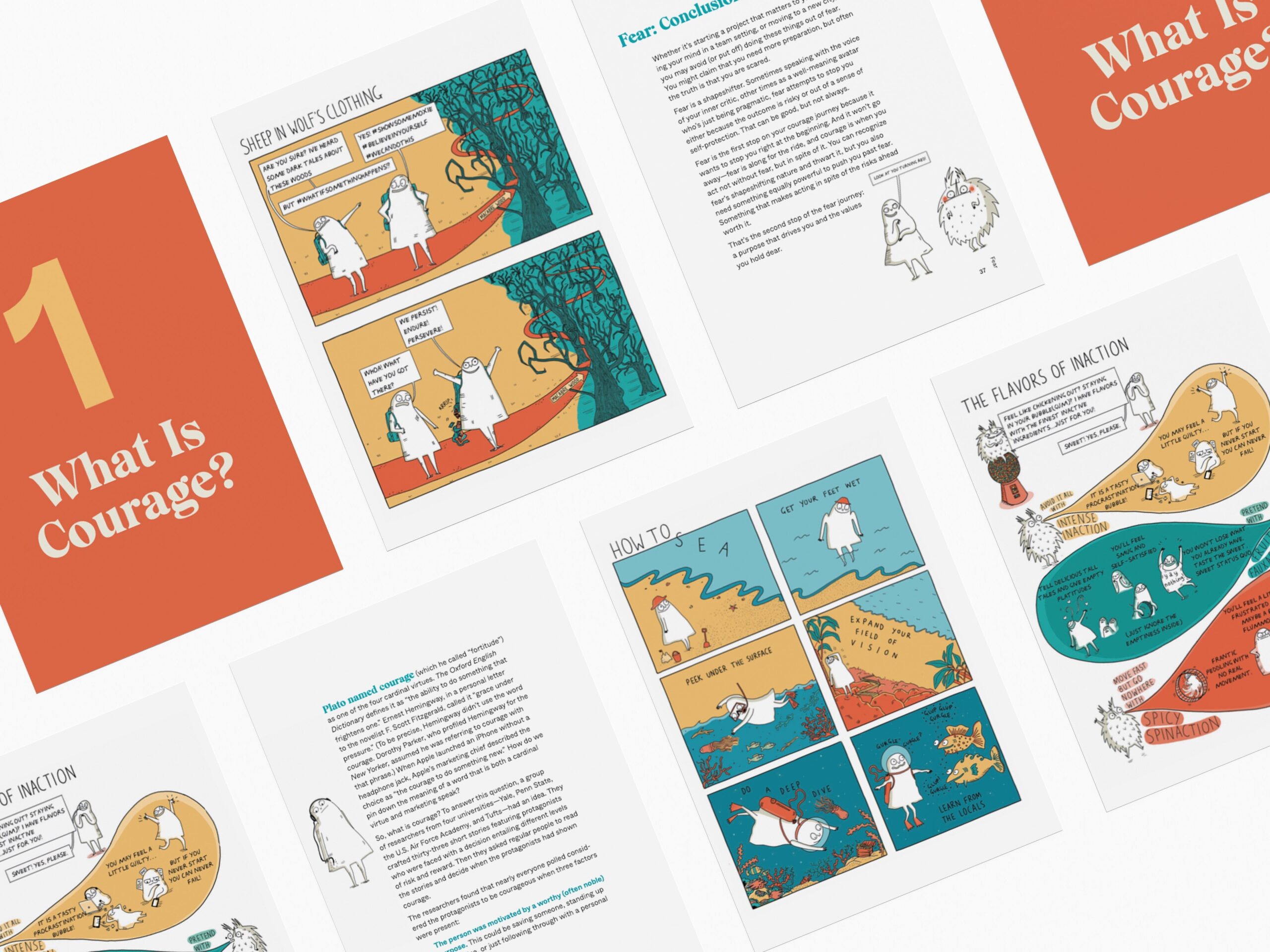
Goel, A. (2022). Drawing on courage: Risks worth taking and stands worth making. Stanford d.school guide. Ten Speed Press.
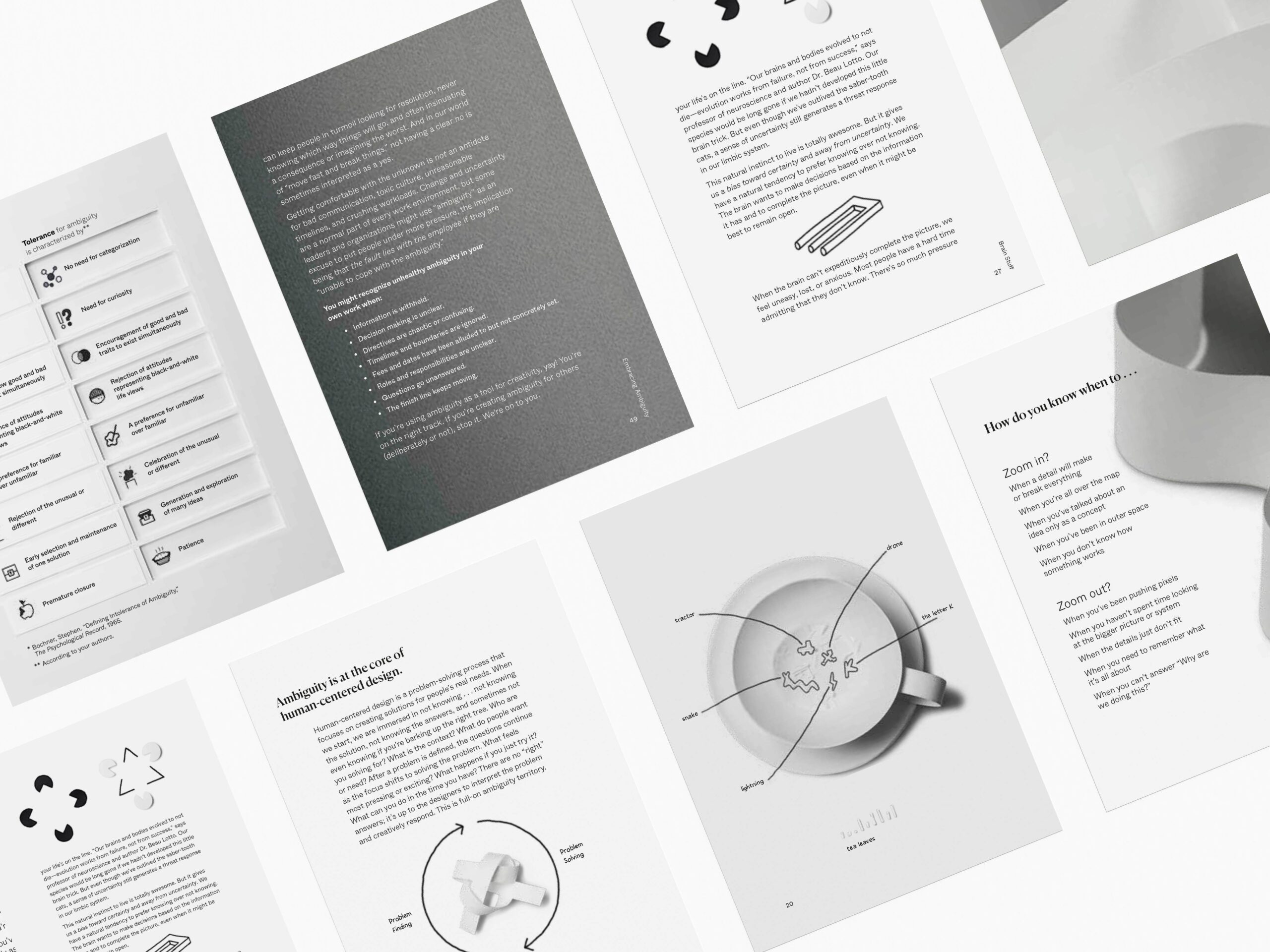
Small, A., & Schmutte, K. (2022). Navigating ambiguity: Creating Opportunity in a World of Unknowns. Stanford d.school guide. Ten Speed Press.
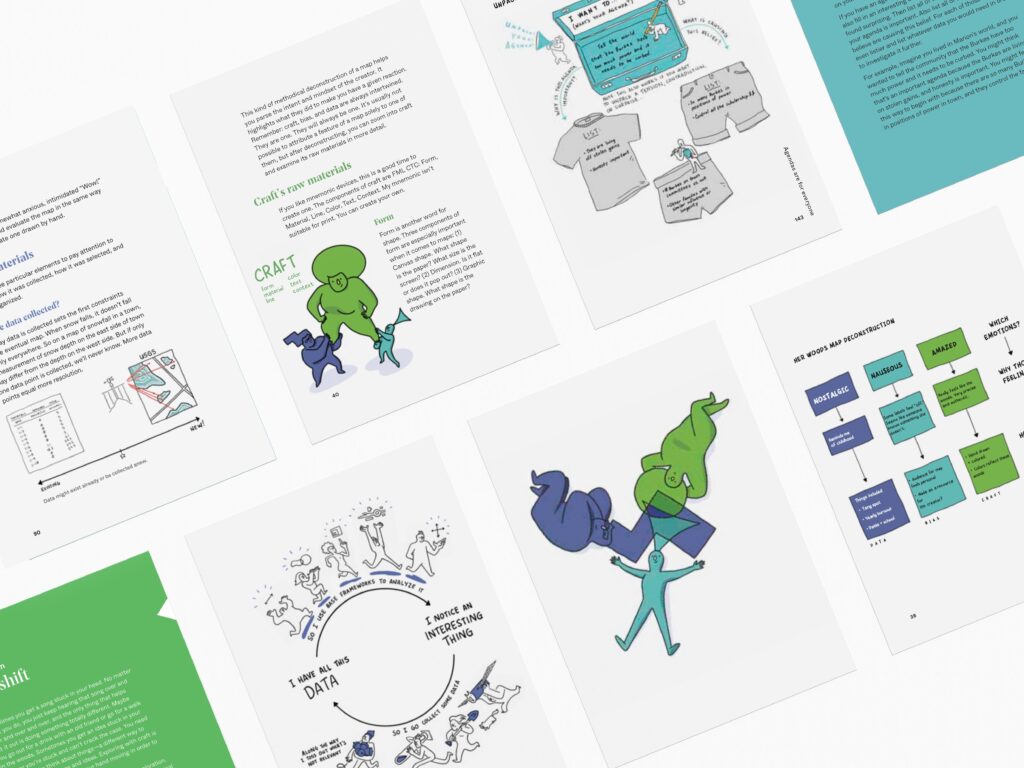
Carter, C. (2022). The Secret Language of Maps: How to Tell Visual Stories with Data. Stanford d.school guide. Ten Speed Press.
Footnotes
- University of Victoria. (n.d.). Academic integrity. https://www.uvic.ca/students/academics/academic-integrity/index.php
- University of Victoria. (n.d.). Considerations for publication of UVic Master’s thesis and doctoral dissertation: Use of alternative media in thesis or dissertation consultation form. Faculty of Graduate Studies. https://www.uvic.ca/graduatestudies/forms-policies/data/alternative-media-consultation-form.pdf