The Dissertation Norm
The traditional dissertation format is to translate doctoral research into a 200+ page manuscript that strictly adheres to the APA guidelines: a title page, double-spaced text, a subtle text hierarchy, etc. Aesthetically, it is lifeless, and from my understanding, lifeless it lives in a university library archive where very few people read it, if any, other than your advisor or committee.
“I didn’t want to write a jargon filled thesis, but here we are …”
A friend completing her Masters thesis, 2025
I find this dissertation modality in our field of education to be desperately ironic and, frankly, discrediting; educational researchers are concerned with furthering the understanding of knowledge, yet the vast majority choose a format (solely based on historical norms?) that disregard that very knowledge base. This practice fails to lead by example, action the research, and divorces the medium from the message. It quietly says: “do as I say, not as I do.”
“The medium is the message”
Marshall McLuhan, 1964
This strict manuscript does not sound enticing as a product of years of my work in research; it doesn’t motivate me. I want to create something that is accessible – in medium, in style, in language, and in comprehension – so that it gets the attention it deserves.
Alternative Dissertations
I am not alone with these thoughts and there are a couple movements exploring alternative dissertations.
2014-2015: #RemixTheDiss, with an event, “What Is a Dissertation? New Models, Methods, Media” in 2014 acting as the epicentre. The hashtag trend dissipated in 2015. The event proceedings are here.
“The point of focusing on changing the dissertation in form, style, substance, method, and media is that you cannot change a process unless you change the final product. You cannot change a product, unless you change the process”
Cathy N. Davidson, Chair of What Is a Dissertation?, 2014
2021-2022: Next-Generation Dissertations is an incredible resource that offers planning and evaluation support as well as numerous examples of alternative dissertations from rap albums and podcasts to comics and digital games.
Challenges
Doing something different than what is the norm and has decades of precedence and standardization is a huge challenge. One would need clear rationale, assessment plan, and the support of supervisors and committee members (which could be challenging if there is a lack of familiarity of the medium). Ideally, this can all be co-created leveraging precedent from #RemixTheDiss and Next-Generation Dissertations.
Media Opportunities
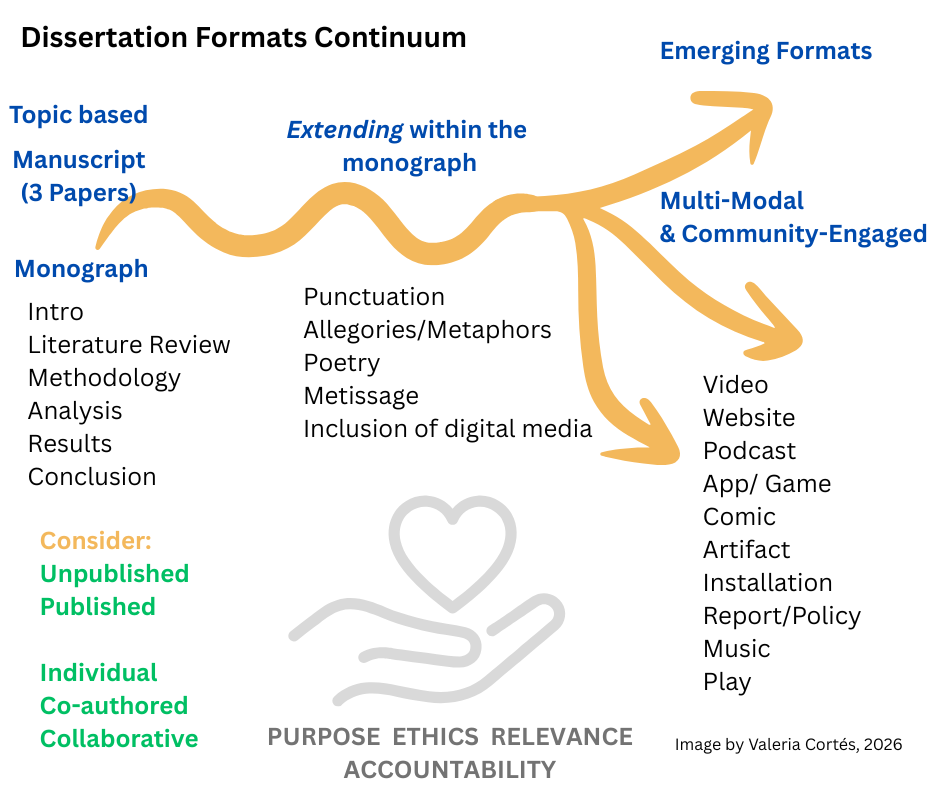
I enjoy making things and learning through exploration, which has led me to work across a wide range of media, including podcasts, video, websites, workshop development, and experience design. I draw upon this personal practice and experience when considering alternatives to the traditional APA-formatted manuscript and it leads me into two primary directions of inquiry:
- Media formats that I personally enjoy and learn from
- Tools, processes, and products that apply educational theory
Educational Media
Podcasts
I love podcasts and I learn a ton. Some of my favourites include RadioLab and Freakenomics, both of which interweave storytelling with robust and accurate research and reporting. I am currently listening to a phenomenal podcast series by Jab Abumrad, founder of RadioLab: Fela Kuti: Fear No Man. This 12-episode series took three years to produce. So, one con of the podcast medium for a dissertation the production cost and time. Second, as a medium bound by time, it is difficult to utilize it as a reference, jumping to specific spots, to ‘flip-through’ in search of a specific concept, or to retrieve/source content.
I created a podcast during my Master of Educational Technology, which allowed me to engage deeply with the creative and production process.
-

Engagement with Experience (Podcast)
exploring the barriers to participation and how to overcome them
Videos
Videos are also great, but the production cost is significantly larger than podcasts as well as being bound by time.
Websites
Websites are a very accessible, shareable, and malleable medium. It can host multimedia and interactive features while easily indexed and searchable. From an experience perspective, I find a web-first format can compete against everything else a digital device may provide, as far as distractions, and it is hard to translate into our media.
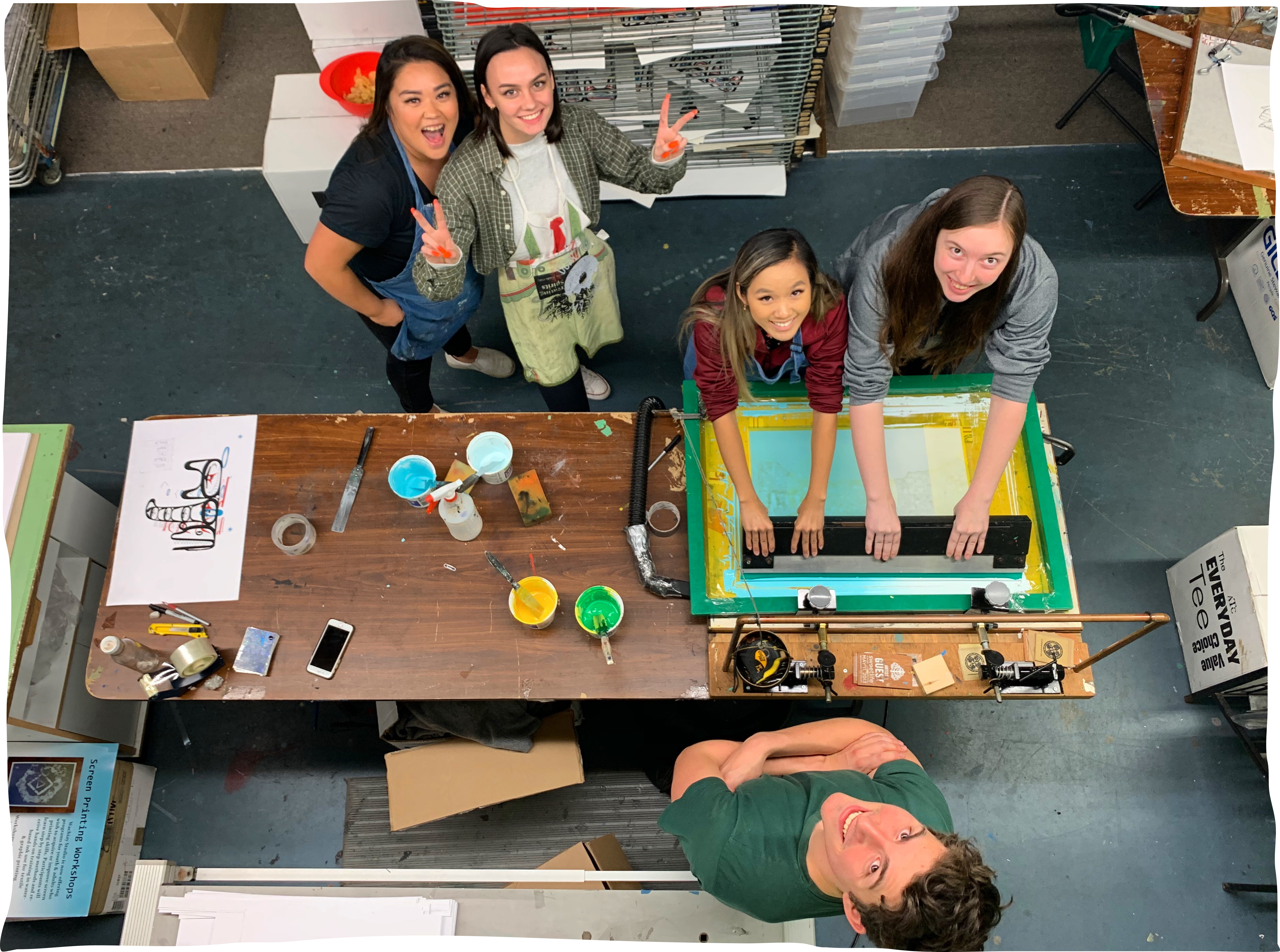
I have developed many websites including Screen the World, an online resource and learning management system for screenprinting, and various e-commerce and blogging websites.
-
Screen the World
an online knowledge center for everything screenprinting
Digital Games
This is A LOT of work and can become outdated and unusable quickly due to updated API access and new technologies.
I created a location-based game in my Master of Educational Technology.
-
Bee-ing Around
a location-based mobile adventure game prototype
Novels
Side note: I have heard of a couple PhD graduates that go on to spend another 1-3 years revising their dissertation into a publicly consumable novel. Why not make the dissertation that product?
Visual nonfiction (“Coffee-Table Book”)
Visual nonfiction expands on a novel by incorporating images. Images and text working together can more easily support meaning-making because of the dual-coding theory – where imagery and language are processed by different regions of the brain allowing for a higher cognitive capacity (Mayer & Fiorella, 2021) – and by leveraging the strengths of each medium: images for its instantaneous meaning and emotional communication and text for its depth and sequential argumentation (Yousman, 2015). Also, they are fun to flip-through and discuss.
I was part of a small team that created Spatial Agency 02 at Grey & Ivy, 2023.
Application
Can the product of a dissertation create an applicable tool for educators? From this perspective, accessible reference materials, such as those outlined above, are one strong option. More purpose-built artifacts might include workbooks, lesson plans, curricula, or other educational tools. In addition, research methods themselves could be adapted for practical use; for example, an approach developed to assess student learning could later be applied by educators in their own contexts.
I have experience creating tools for educational programs, interactive art experiences, and workshops, which offers some experience in these directions.
-
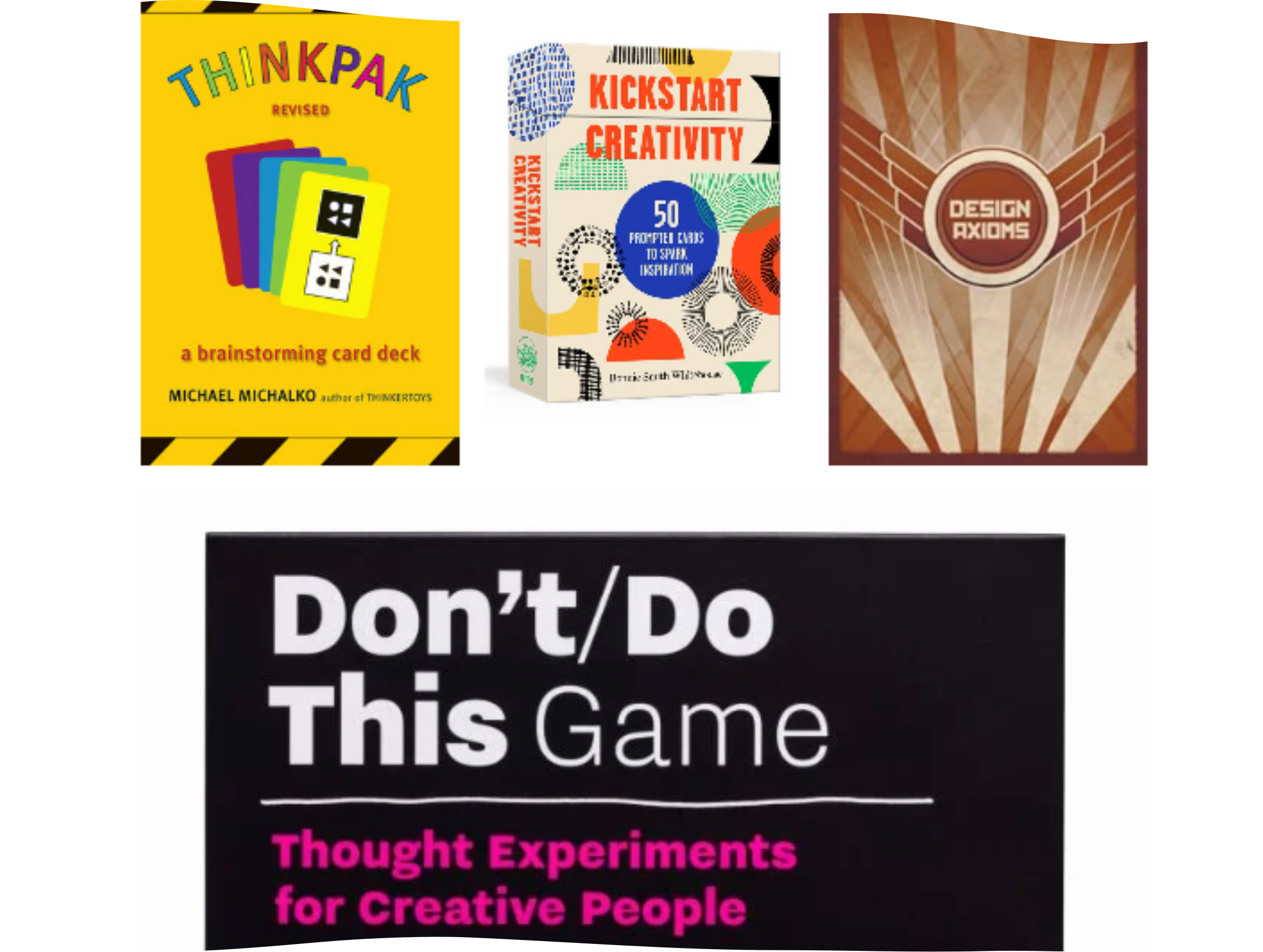
Experience Wildcards
a tool to disrupt the design of educational experiences
-
i/o Mimicry
an interactive art light up button game system
-
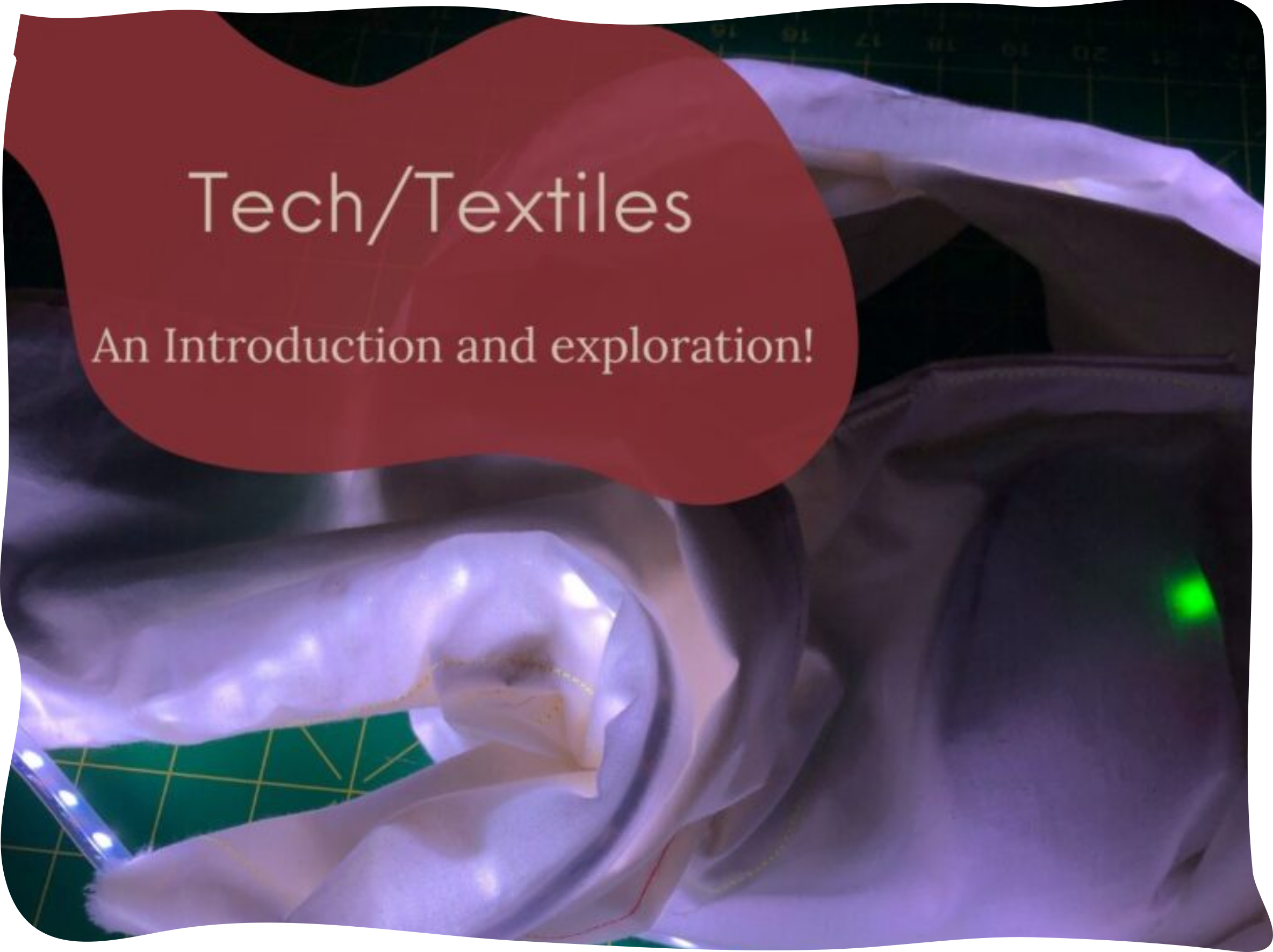
Electric-Textiles Workshop
a multimedia project to invite women into makerspaces and address the gender gap
One example of an application I came across is Script&Shift. It is a GenAI integrated writing software, developed by Siddiqui et al. (2025) to research knowledge transformations in writing. It has potential to be used beyond their research study to support writing through GenAI augmentation. It does not appear to be publicly available though its utility is clear.
Conclusion
There are many creative and applicable directions a dissertation can take that I find more motivating, more inspiring, and more potential for meaningful impact beyond traditional academic audiences. I aim to explore a medium that leverages my maker background and experiences, aligns with and compliments my research, and supports the development of work that is accessible, relevant, and inspirational.
References
Cortés, V. (2026). Reimagining the dissertation: Exploring emerging and next-generation formats [Presentation]. The Association of Graduate Education Students (AGES), University of Victoria, Victoria, BC, Canada.
Davidson, C. N. (2014). An introduction to #Remixthediss. In Modern Language Association (MLA) Annual Convention: What Is a Dissertation? New Models, Methods, Media. City University of New York, NY, United States. https://mediacommons.org/alt-ac/pieces/beyond-proto-monograph-new-models-dissertation
Mayer, R. E., & Fiorella, L. (2021). The Cambridge Handbook of Multimedia Learning (3rd ed.). Cambridge University Press. https://doi.org/10.1017/9781108894333
McLuhan, M. (1964). Understanding media: The extensions of man. McGraw-Hill.
Yousman, B. (2015). The Text and the Image: Media Literacy, Pedagogy, and Generational Divides. In J. Frechette & R. Williams (Eds.), Media Education for a Digital Generation (pp. 157–170). Routledge. https://doi.org/10.4324/9781315682372
Siddiqui, M. N., Pea, R. D., & Subramonyam, H. (2025). Script&Shift: A Layered Interface Paradigm for Integrating Content Development and Rhetorical Strategy with LLM Writing Assistants. In Proceedings of the 2025 CHI Conference on Human Factors in Computing Systems (CHI ’25). https://doi.org/10.1145/3706598.3714119